Why surveillance erodes trust in relationships.

Surveillance is not a source of trust because it indicates a lack of it and violates personal privacy. Healthy relationships rely on open communication, honesty, and respect for boundaries, while snooping undermines these foundations.

Instead of spying, a person should communicate their feelings directly such as by asking, “I’m sensing something’s off. Is there something you’re not telling me?”

Why surveillance erodes trust:

It is an act of distrust: Snooping on a partner, such as checking their phone without permission, signals a lack of faith in them and the relationship.

It violates privacy: Everyone has a right to their own space and communication. Surveillance is an invasion of privacy, which is fundamental to individual well-being and a key component of a healthy relationship.

It is not a path to resolution: Surveillance may provide short-term information but doesn’t resolve the underlying issues that caused the suspicion in the first place.

It treats a partner like an information repository: Instead of respecting a partner as a whole person, surveillance can reduce them to a “repository of information to be got at,” undermining their individuality.

Building trust instead of surveilling:

Communicate directly: When you have concerns, express them openly and honestly. For example, instead of snooping, ask questions like, “I noticed you got some late-night texts. Everything okay?”

Focus on open communication: Building a strong foundation of trust involves consistent, open communication about your feelings and issues.

Respect boundaries: A healthy relationship requires mutual respect for personal boundaries. This means giving each other the space and privacy to have their own separate lives.

Address the root cause: If you are suspicious, it may be because trust has already been broken. The relationship needs to address the source of the mistrust rather than resorting to surveillance.


Building trust instead of surveilling means shifting from control to empowerment by focusing on clear communication, autonomy, transparency, and genuine care.

If you are having issues in your relationship and wish to speak with a therapist, contact Chana Pfeifer, LCSW.

Follow The Happier Me on Instagram

Dealing with Jealousy in Relationships

Dealing with Jealousy in RelationshipsIf you are in a relationship, it is natural to feel a little jealous at times, especially if you have very strong feelings for your partner.
Occasional jealousy is okay and may even add a little excitement and zest to the relationship. But what to do when this jealousy becomes more frequent, intense and even overwhelming?

Today more than ever before, people are afraid of being rejected, not accepted, not being loved and worry about losing people they care for. These feelings of loss are natural. Yet, when thoughts and feelings of jealousy are extreme, they stem partially as a result of insecurities. When fear lessens, so does jealousy.

Most of us have felt it at one time or another. It could be a mild annoyance or a fire inside you, consuming you, making you feel like you might explode. Although it is a common emotional reaction when a person is feeling threatened, jealousy is one of biggest relationship destroyers out there.

The foundation of any healthy and happy relationship is trust and respect. A person struggling with jealousy is unable to trust the person they are with or show respect for them as an individual or their boundaries.

Overtime this behavior will destroy the feelings of love and affection that once existed. It will also likely cause repeated arguing and a need for one partner to prove themselves and their loyalty over and over again. This can be exhausting and prevent a relationship from growing and establishing a solid foundation.

If you have found that jealousy is a problem in your relationship, whether it is you that are jealous or your partner, it can be painful for both of you. Getting beyond it will take patience, communication and changing of beliefs.

Jealousy in Relationships: If overcoming jealous feelings and behaviors on your own isn’t working, don’t discount seeking help!

Marriage Counseling

Relationships Built On Trust

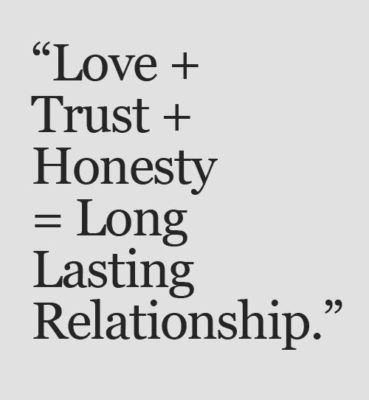
Love Trust HonestyA healthy marriage is built on a strong foundation of trust, however it’s not an easy topic to discuss. You may feel pressured into saying, “Yes, I trust you” but if you do have sincere concerns, now is the time to discuss them. There is no room for doubt between a husband and wife.

Trusting someone means that you think they are reliable, you have confidence in them, and you feel safe with them physically and emotionally. Trust is something that two people in a relationship can build together when they decide to trust each other.

A few questions to ask your partner if trust is an issue in your relationship:

  • Do you trust me?
  • Is there anything you feel you can’t trust me with?
  • Have you ever felt the need to check my phone?
  • Have I ever done anything to lose your trust?
  • If you don’t trust me, what are steps I can take to regain it?

Imago Relationship Counseling

social worker Long IslandSometimes, it can be very hard to overcome disagreements and you two might feel stuck – not knowing how or when to communicate to get past it.

Intervention can mean all the difference in saving a marriage or letting the ship sink!

How Does Marriage Counseling Work?

In marriage counseling, the therapist will try to teach you and your spouse certain crucial communication skills. Most domestic problems are the result of not being able to communicate your point of view to your partner effectively, but therapy can help resolve that as you are given the opportunity to speak your mind freely.

The therapist will then help you look at both the negative and positive aspects of your relationship, so that you can focus on the good and work on strategies to deal with the bad.

You will also learn new communication skills that will teach you how to talk to your partner without offending him/her, and will be given opportunities to discuss your differences in a controlled manner.

Marriage Counseling Long Island

If you are searching for an expert marriage counselor in the Long Island area, contact Chana Pfeifer.

Counseling for Conscious Couples